Technical Projects
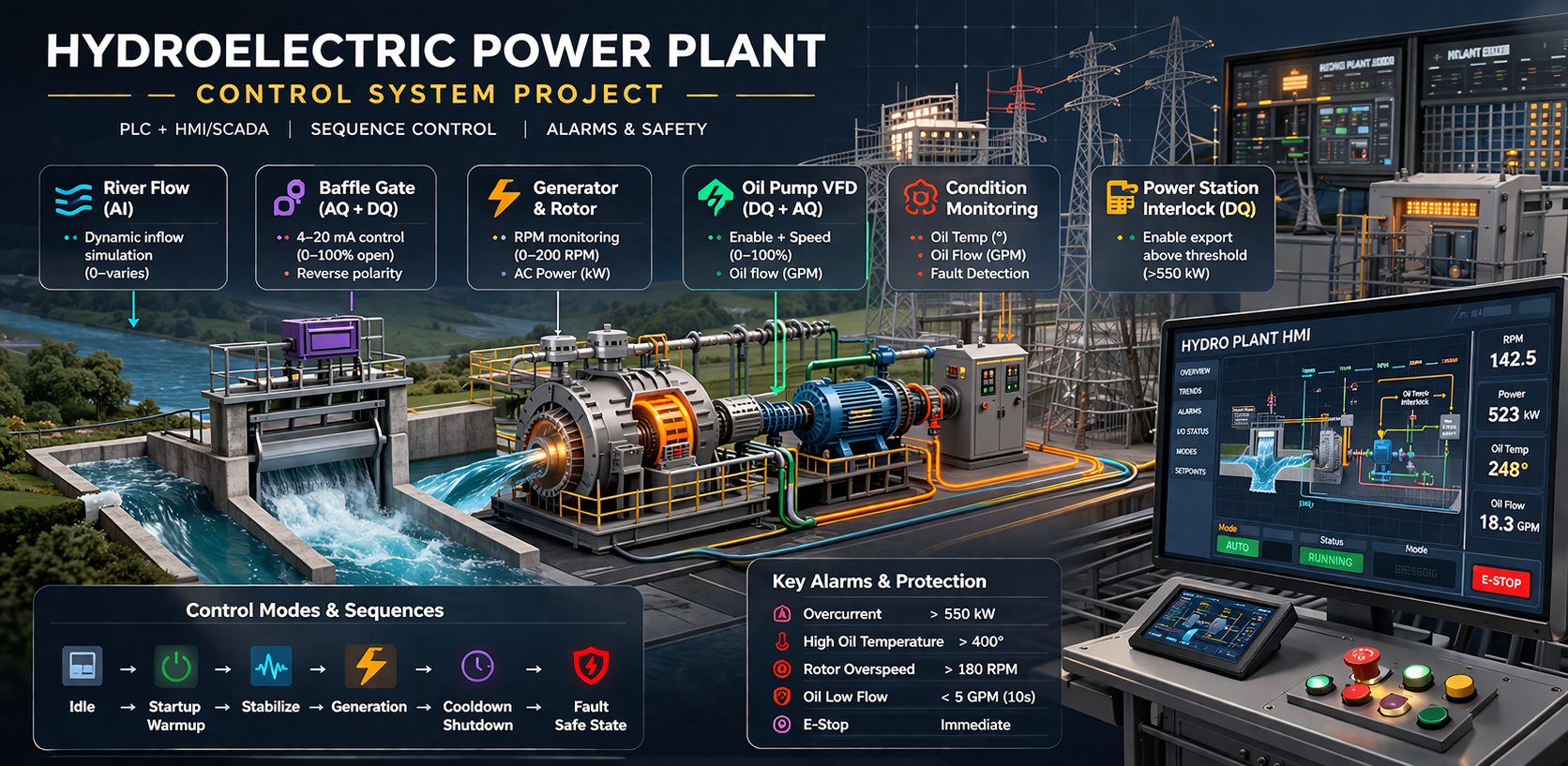
Hydroelectric Power Plant Control System
Siemens TIA Portal WinCC HMI Ladder Logic GRAPH PID Control Industrial AutomationDeveloped an industrial-style hydroelectric power plant automation project using Siemens TIA Portal and WinCC, featuring sequence-based control, HMI development, alarm handling, HOA logic, analog I/O scaling, PID control, and structured fault response. The project demonstrates practical PLC programming, operator interface design, and process control concepts used in real automation systems.
View Full ProjectFactory IO Box Sorting System
Factory IO PLC Programming Ladder Logic Structured Text FIFO Logic GRAPH Sequence ControlA Factory IO automation project that sorts boxes by size using PLC logic. The system combines Ladder Logic, GRAPH sequence control, and a Structured Text FIFO block to track multiple boxes on the conveyor and route each one correctly to the small or large box output.
View Full ProjectRed Dot Pan-Tilt Tracking System using OpenCV and ESP32
Python OpenCV ESP32 Servo ControlBuilt a real-time red dot tracking prototype using a laptop webcam, Python OpenCV, ESP32, two 9g servos, and a 128x64 OLED display. The system detects a red target in the camera frame, calculates its X and Y offset from the center, converts the offset into pan and tilt servo angles, and sends the data to the ESP32 over serial communication. The ESP32 controls the servos, displays live tracking values on the OLED, and uses smoothing logic to reduce jitter while keeping the movement responsive for demos.
View Full Project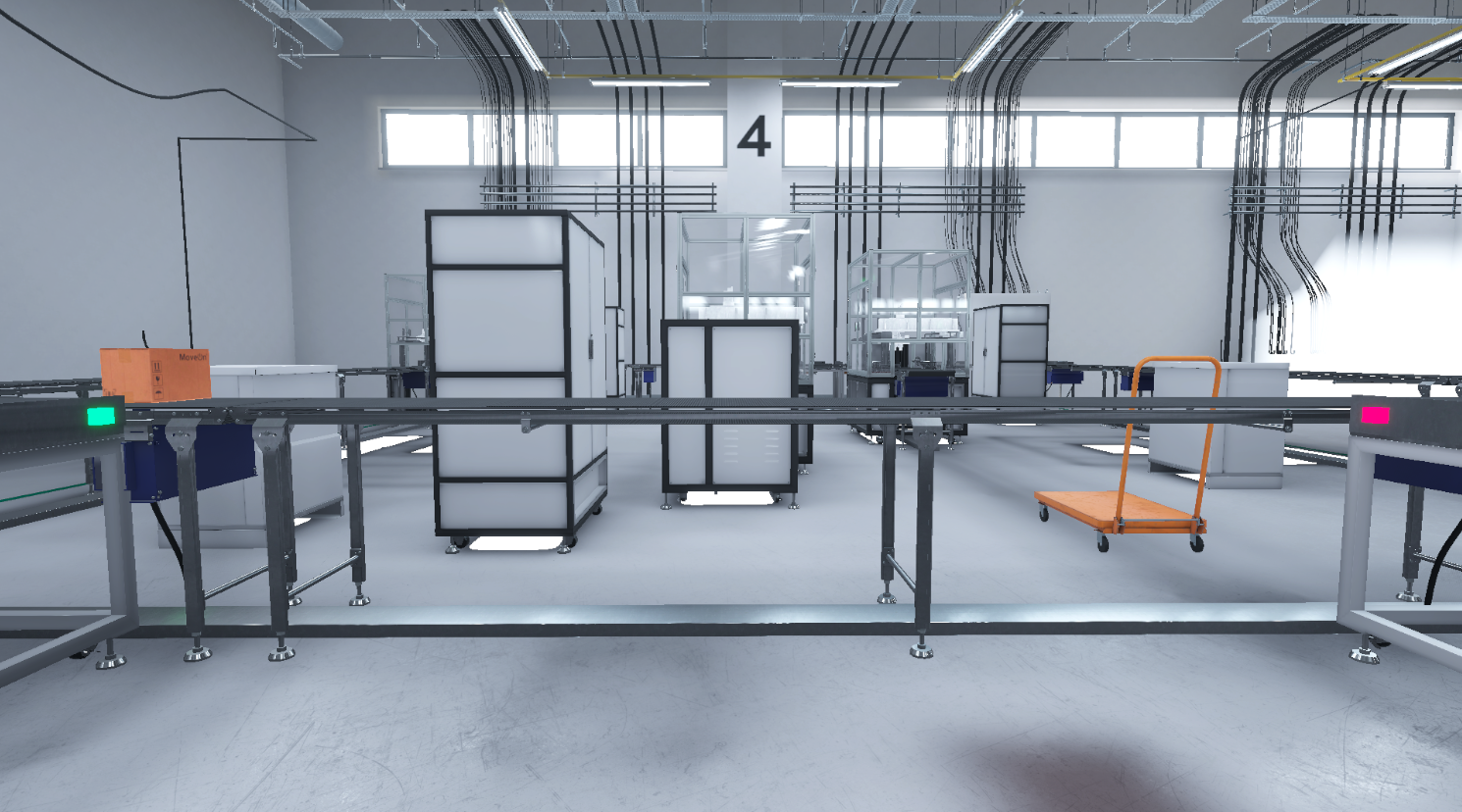
Conveyor Control System
PLC Logic HMI / Simulation System Integration Unity CODESYS OPC UADeveloped an end-to-end conveyor control project in which a box is detected by two sensors, starts conveyor movement on first detection, and stops at the second sensor based on defined control logic. The system connects a Unity-based simulation with CODESYS through OPC UA, demonstrating real-time communication, PLC-style sequencing, process visualisation, and practical control-system integration.
View Full Project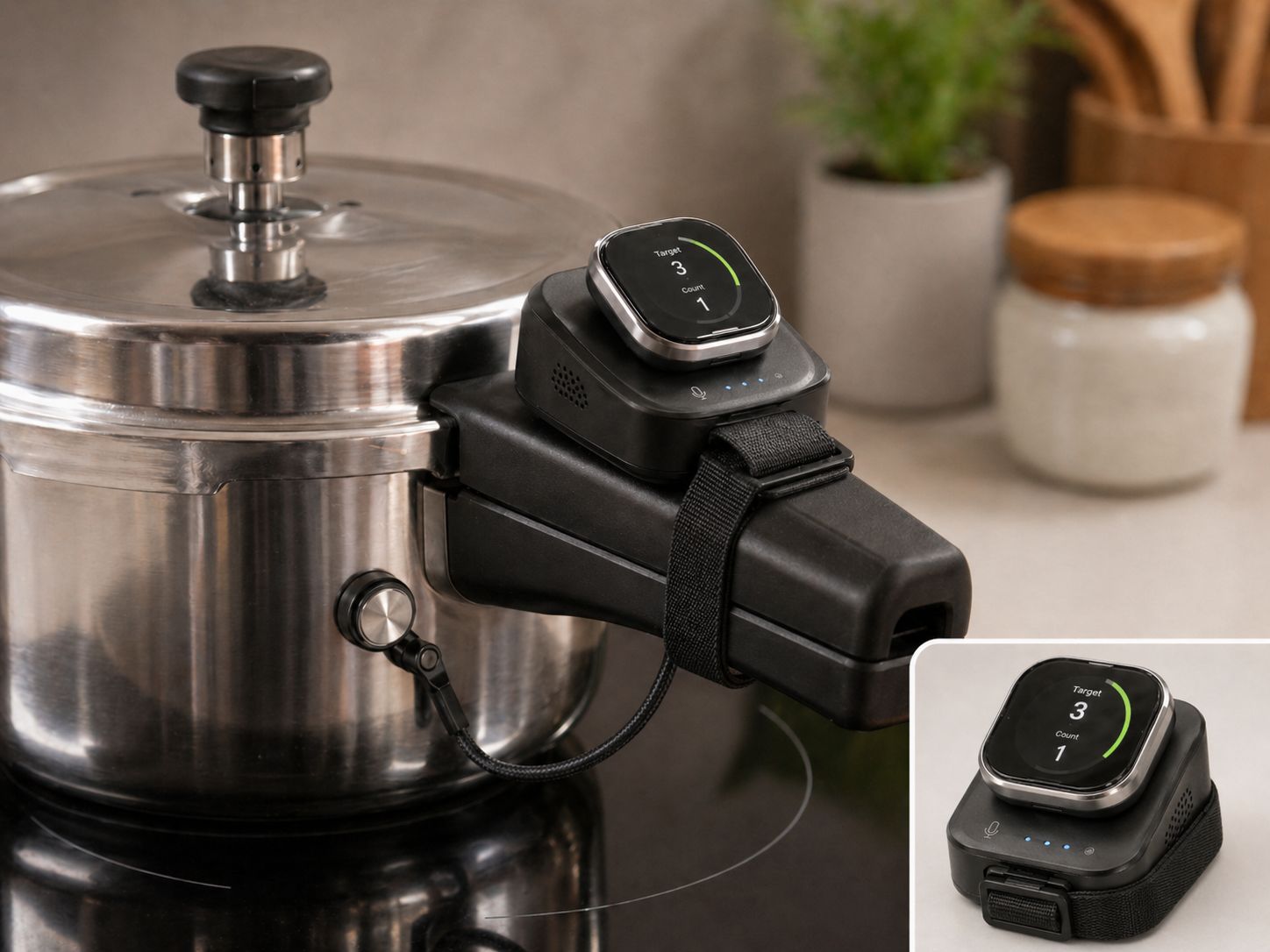
WhistleSense Smart Cooker Prototype
ESP32 Embedded Systems INMP441 Microphone MPU6050 Accelerometer Signal Processing Sensor FusionA hobby prototype for detecting pressure cooker whistles using sound, vibration, and temperature sensing. The project uses an ESP32, microphone data, accelerometer feedback, and CSV logging to explore reliable whistle detection in real kitchen conditions.
View Full ProjectAir Writing Recognition
Python Mediapipe OpenCVAir-Writing was a dream like most people since I was young.
The advancement in technology piqued my interest to try my hand at this. This
Python-based project contains hand-drawn illustrations, real-time tracking and holds a
tonne of opportunities in the present. I integrated the Mediapipe library to track the hands
to draw the illustrations and used the OpenCV library to use the webcam and display the output.
This project has been published on Ubiquitous Intelligent Systems,
ICUIS 2021, Smart Innovation, Systems and Technologies, vol 302. Springer(Singapore) pp 447–454
Inside ADHD: A Journey of Understanding
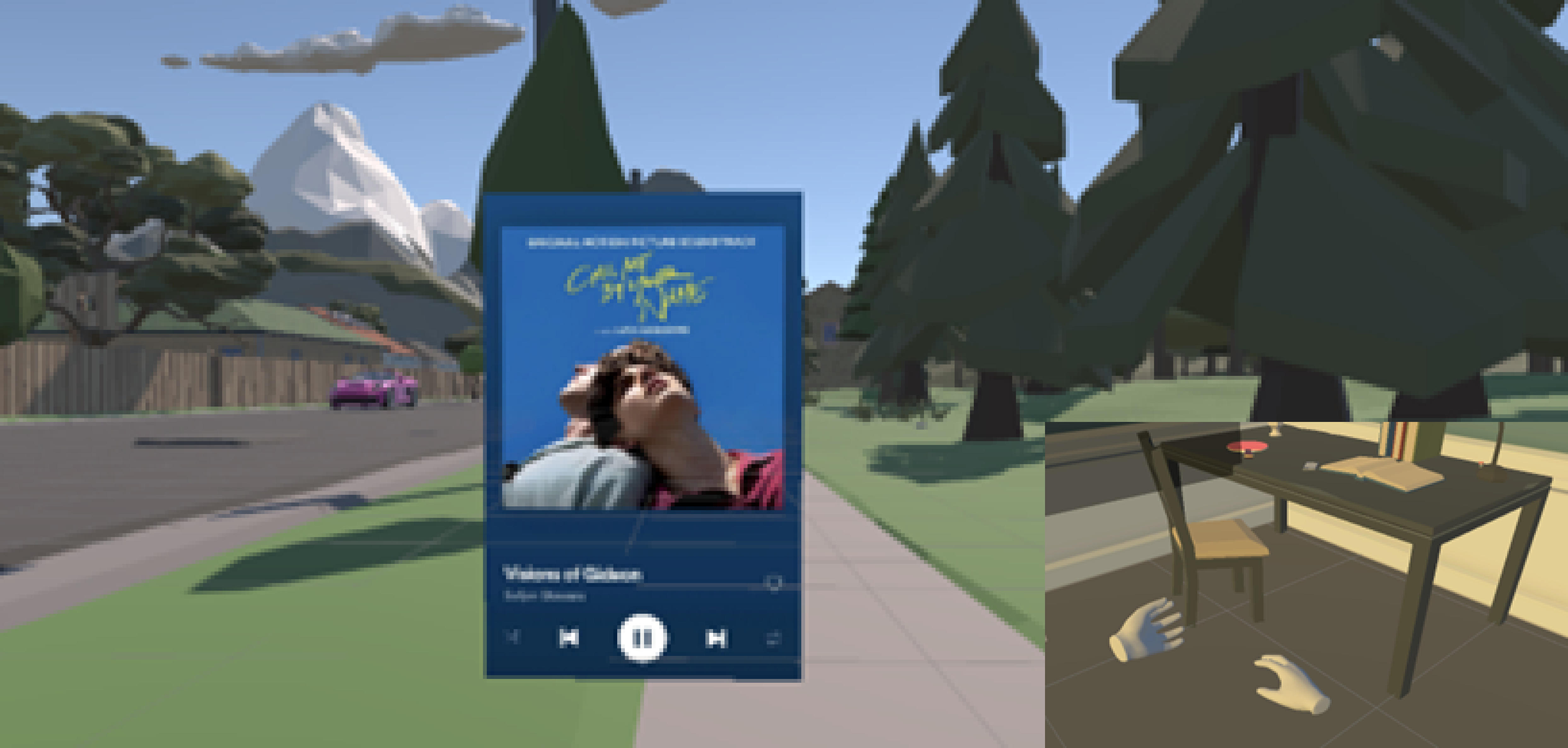
Unity VR Diegetic InterfacesInside ADHD is a VR experience that aims to immerse users in the daily life of an individual living with ADHD. The protagonist’s environment is filled with objects that reflect their life and challenges. The player's phone plays a major role on providing updates on what is going on. It is one of the Diegetic Interfaces where you can get calls specifying the tasks to remember, and it also contains the path to get to your objective. For a personal touch, I found it interesting to add a game that the player can play on their phone. The challenging part was rendering what the player is currently looking at, turning it into a video and playing it on the screen on loop. This symbolizes that although the environment has changed, the player cannot stop thinking about it. The whole virtual world is built to react to the user’s actions and progresses the narrative based on their interactions.
Speech Emotion Recognition
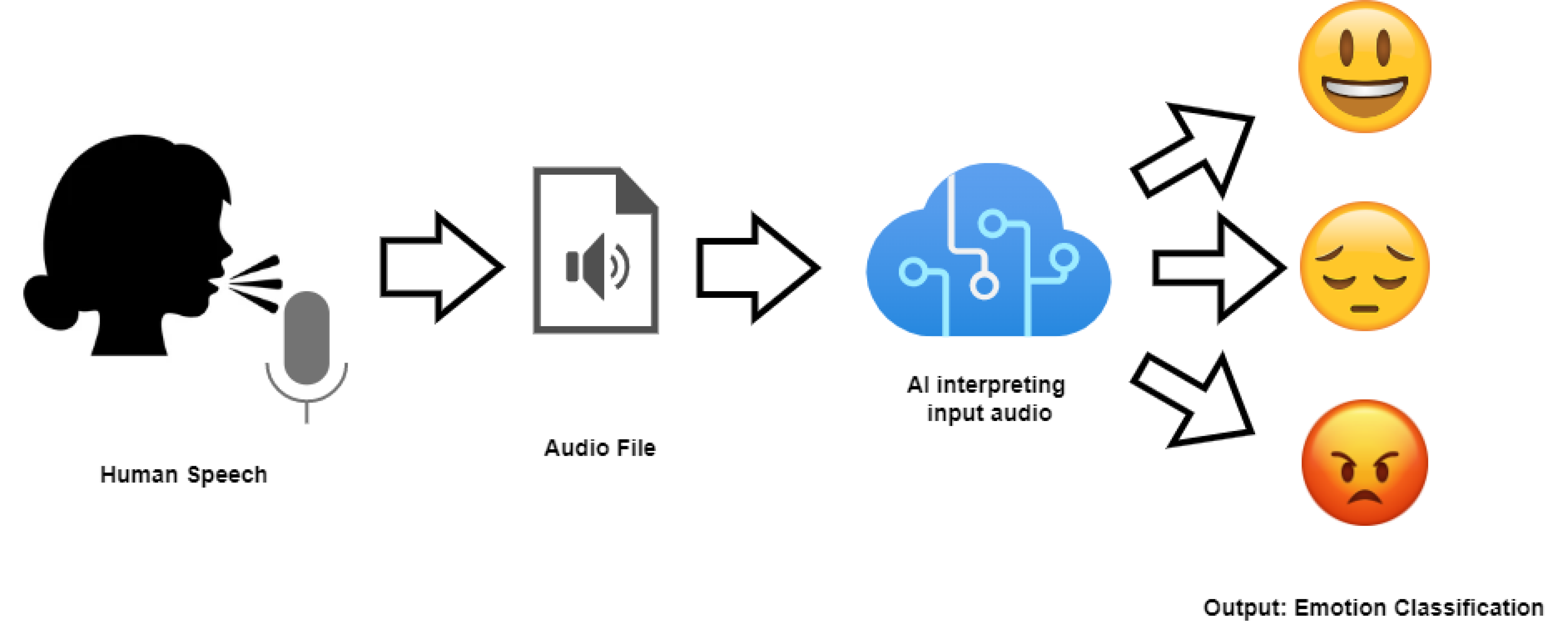
Python Librosa Tensorflow CNNThis project was made to recognize the emotion of a person by using the audio of them talking. The audio first goes through some pre-processing like denoising, etc. and then the features are extracted using the Librosa package. Different features are extracted like Chroma features, MFCC features and Mel Spectrogram features. After the features are extracted, a CNN model is defined using the Keras library which is a part of TensorFlow. The model is designed for a task involving sequential or temporal data, such as audio classification, with an output layer indicating 8 different classes representing 8 different emotions. This model was trained on the extracted features and it came out with on accuracy of 92% on the test dataset.

Tweet Application
.Net Framework Kafka MongoDB API DockerThis tweet application utilizes Kafka, Service Bus, and MongoDB within an MVC architecture. Users interact with the frontend to post and view tweets, which are handled by the backend controllers. Tweets are stored in MongoDB, while Kafka manages real-time data processing by producing and consuming messages for tasks like analytics and notifications. Service Bus facilitates communication between microservices, such as sending notifications when new tweets are posted. This architecture ensures scalability, decoupling, and efficient real-time handling of data and interactions.
Patient Management System
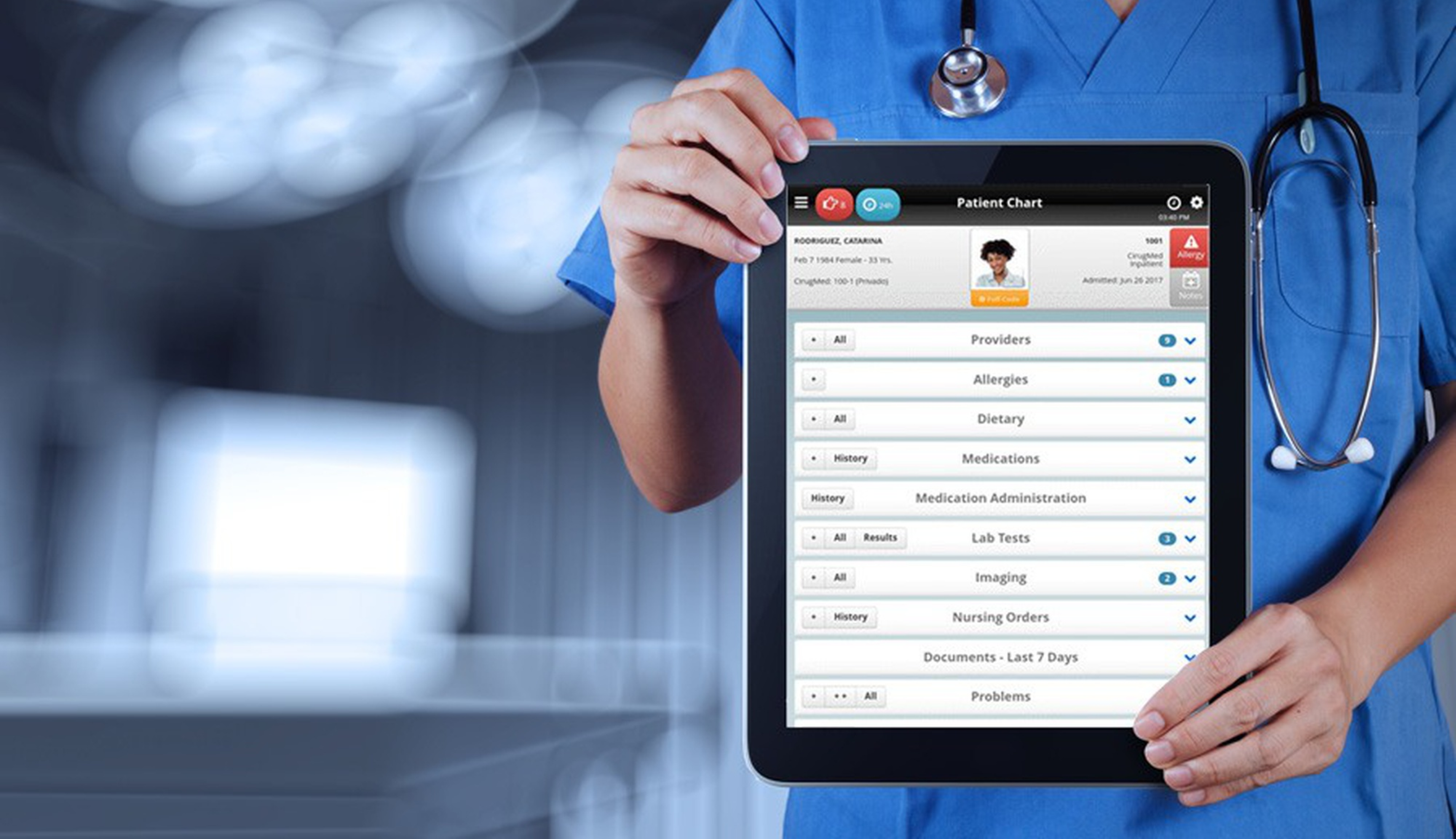
.Net Framework JWT Security Token MongoDB Docker Microsoft AzureThis application is made for patients looking for an insurance claim according to the treatent they have undertaken. The User can create an account and login using JWT tokens which proves the authenticity of the user. All of the patient and user details are stored in the MongoDB database. This application was developed in a Docker environment and was hosted on Microsoft Azure.

Wear Optimization of Graphene Oxide based PMC through Machine Learning
MATLAB ANNThis project's primary aim is to develop a mathematical model for predicting the wear of graphene oxide-based polymer matrix composites. The mechanical and physical properties of the composites were examined using ASTM specifications. Two models were created, one using ANN and the other using ANFIS. These models reduce the time and effort required to discover appropriate wear for each composition and arrive at the most efficient option. Both algorithms were able to forecast wear with a 90% accuracy rate.